The method
Embroidery or print.
Worth five minutes before you order anything, because the decision is usually made by whoever quotes first and it is the decision that determines whether the piece gets worn.
The actual difference
One sits on the fabric. One goes through it.
Printing
A layer of ink or a film bonded to the surface. Cheap per piece at volume, fast, and it can reproduce a photograph. It also cracks, fades and peels, which is why a three-year-old printed shirt reads as old and a three-year-old stitched one reads as earned. Screen printing charges a set-up per screen, so every extra colour costs again.
Embroidery
Thread sewn through the fabric by a machine following a stitch file made from your mark. It has weight you can feel, it survives the wash, and it is what people mean when they say something looks expensive. The cost follows stitch count, so a dense mark costs more than a simple one, and very fine detail has limits a print does not.
What SEWN does
We stitch, and we do not make you simplify your mark to fit.
We digitise your logo into a stitch file at our cost, send you the stitch-out to approve, and keep the file so every reorder matches the first one. There is no set-up fee.
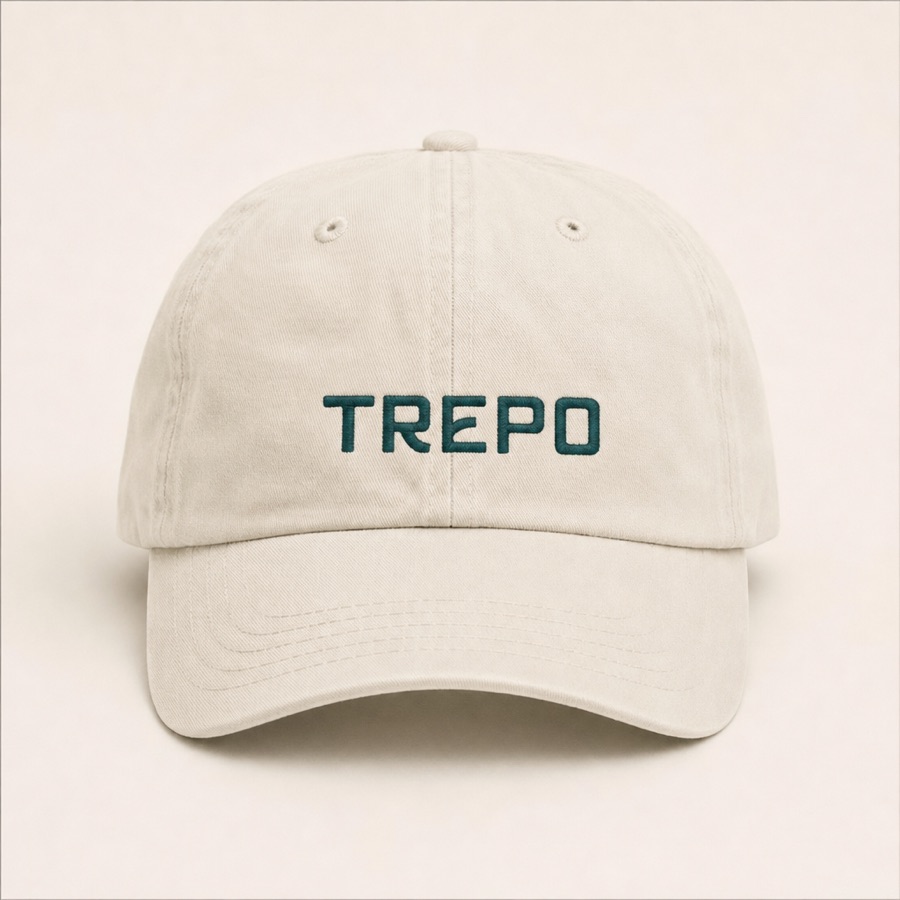
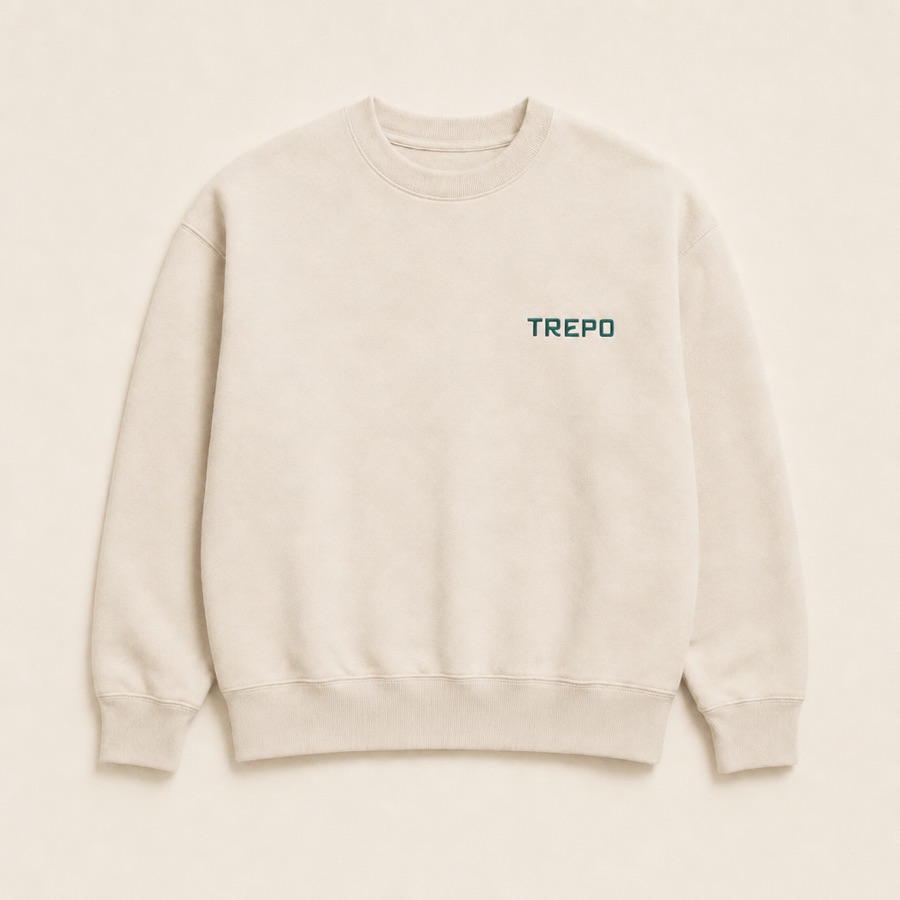
How a stitch file is made
- Your mark, any format. Vector is easiest, a clean PNG is fine, a photograph of a sign is not.
- Digitising. The outline becomes stitch paths: order, direction, density and the underlay that stops the fabric puckering. This is a craft decision, not a file conversion, and it is where cheap embroidery goes wrong.
- Thread matching. Your colours matched to real thread. Tonal, where the thread matches the garment, is usually the most expensive-looking option and it costs the same.
- Stitch-out. You see it sewn before the run. If it is wrong, it is changed before anybody has paid for forty of them.
- Kept. The file is stored, so the reorder in eighteen months matches the one from today.
Questions
Is embroidery more expensive than printing?
Per piece on a large run, usually yes, because the cost follows stitch count rather than ink. On the small-to-medium organisational runs we make, the gap narrows, and there is no set-up fee on a SEWN programme where a print shop would normally charge per screen and per colour.
Will my logo work as embroidery?
Most marks do. Very fine lines, small text under about a quarter of an inch tall and photographic gradients are the three things thread cannot hold. We digitise your mark and send you the stitch-out before anything is sewn, so you see the answer rather than being told it.
How many thread colours can I have?
We work from your real mark and its real colours rather than asking you to reduce it to fit a machine limit.
What is a stitch file?
Your logo converted into a path a machine can sew: the order of the stitches, the direction, the density, the underlay. It is made once and reused for every order after that. SEWN pays for yours.
Can you do both on one garment?
Tell us what you have in mind in the quote form and we will say honestly whether it is something we make well.